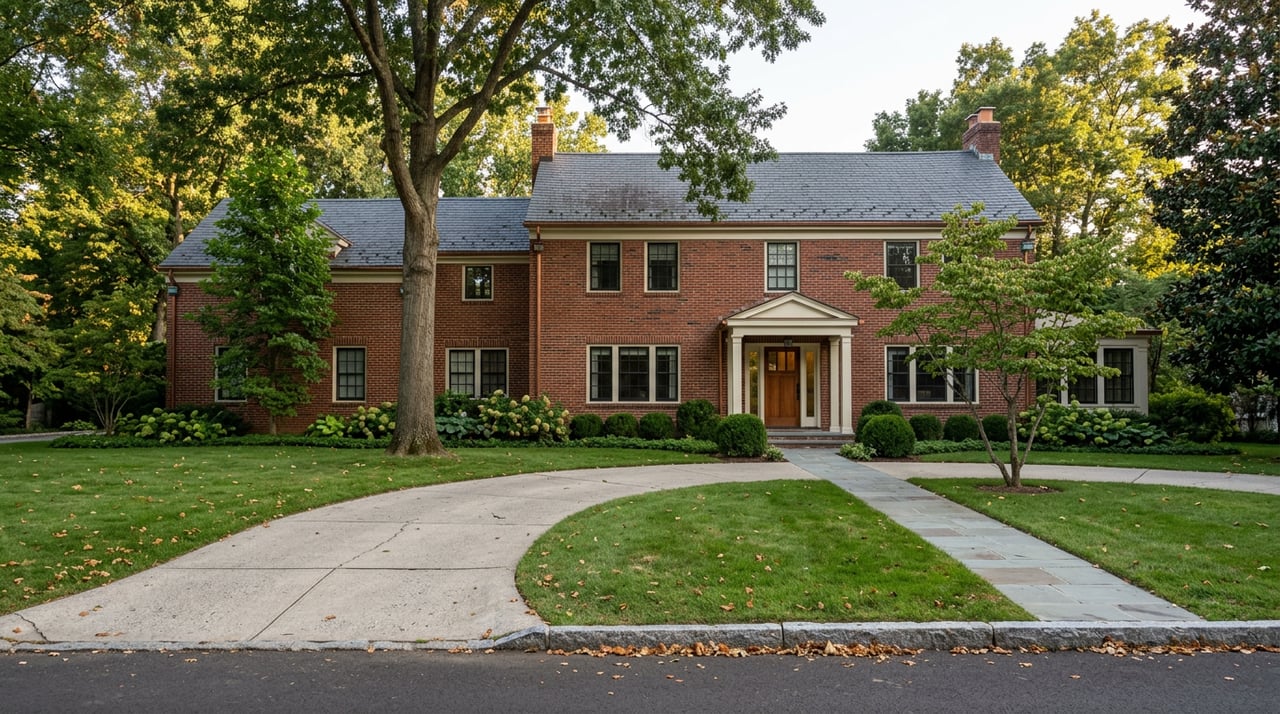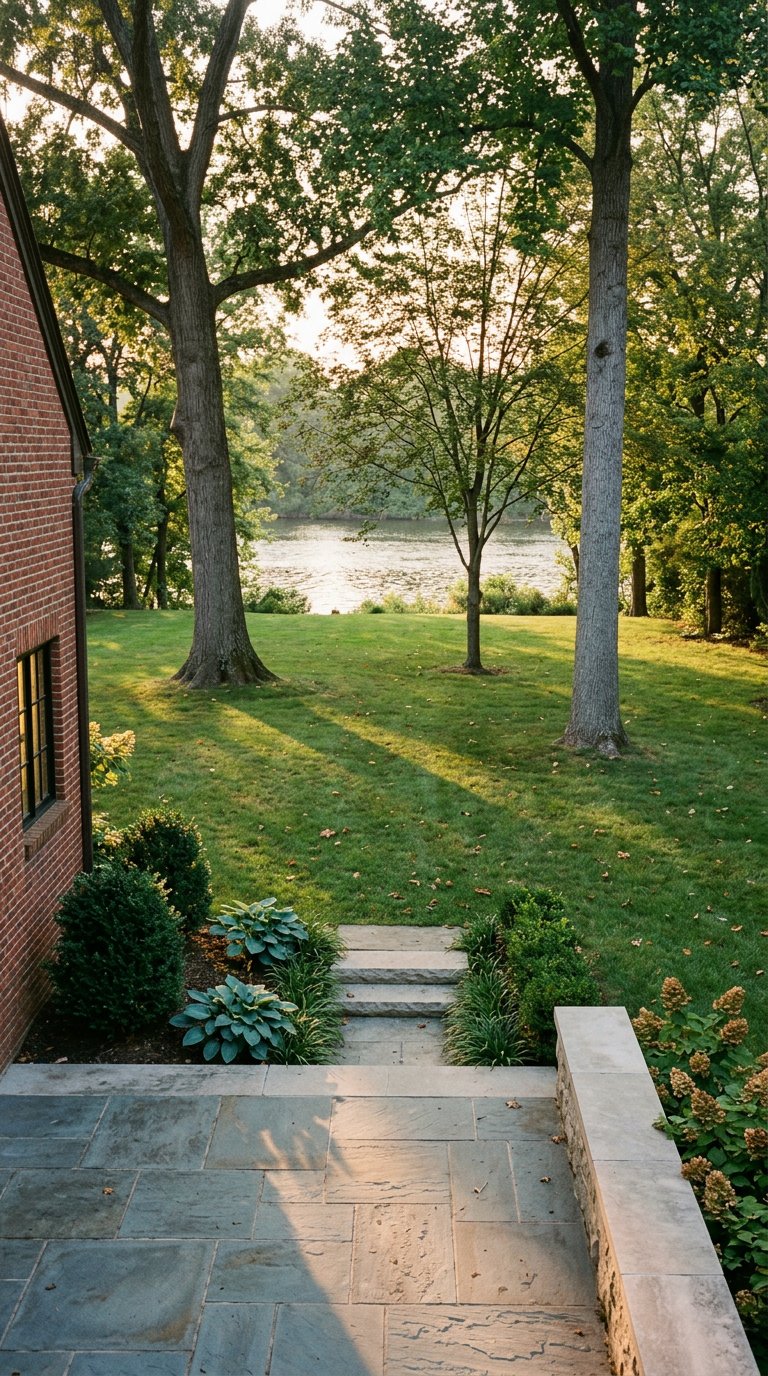
Morning light on the Tennessee River, a curving boulevard shaded by old-growth trees, and stone fountains that hint at nearly a century of design history. If you want close-in Knoxville living with daily access to parks, trails, and the water, Sequoyah Hills delivers a rare mix. In this guide, you’ll get a clear feel for architecture, parks, greenway life, and how you reach the river. Let’s dive in.
Where Sequoyah Hills sits
Sequoyah Hills occupies a scenic peninsula formed by a bend in the Tennessee River, with Cherokee Boulevard tracing the shoreline and Kingston Pike at the neighborhood’s northern edge. From bluffs above the river, many homes enjoy broad views of the water and downtown. You’ll notice the neighborhood’s identity as soon as you arrive: a tree-lined boulevard with a planted median, historic details, and wide lawns that invite walking and lingering. For a quick geographic snapshot and context, review the overview on Sequoyah Hills.
Cherokee Boulevard character
Cherokee Boulevard is a hallmark of the area. The median functions as a greenway, framed by a mature canopy and layered landscaping. You’ll also see historic touches, including an ancient earthen mound and decorative features that appear on seasonal garden tours. The neighborhood association highlights these elements as part of the area’s visual identity and civic pride on its about the neighborhood page.
Parks and greenways
Living here means you can step outside and be in a park or on a trail within minutes. Sequoyah Park anchors the riverfront, while the Sequoyah Greenway runs right down the middle of Cherokee Boulevard. Smaller pocket parks add playgrounds and open lawns close to home.
Sequoyah Park: 84.5 acres on the river
Sequoyah Park stretches along the water with about 84.5 acres of open space. The city notes three distinct sections and entrances, ballfields, a playground and fitness areas, picnic spots, and unpaved paths near the river. Two separate water access points make getting on the Tennessee River simple, with one motorized-boat ramp and a separate non-motorized kayak and canoe put-in. For current amenities and guidance, view the official Sequoyah Park page.
Sequoyah Greenway: median path and connections
The Sequoyah Greenway runs for roughly 2.6 to 2.7 miles right in the grassy median of Cherokee Boulevard. It’s a crushed-stone surface designed for walking, running, and casual cycling. Across Kingston Pike, you can connect to Third Creek Greenway for longer loops toward Bearden or east toward downtown. See routing and surface details on the Sequoyah Greenway page.
Pocket parks and trees
In the residential core, small parks like Talahi Park and Whitlow-Logan Park add playgrounds, courts, and open lawns. The area also supports a community-focused Sequoyah Hills Arboretum, a sign of active local stewardship and education around public trees. Learn more from the Sequoyah Hills Arboretum listing for context on this neighborhood effort.
River access and boating
You do not need to leave the neighborhood to get on the water. Two public access points in Sequoyah Park serve both paddlecraft and small motorized boats.
Kayaks, canoes, and small craft
If you enjoy paddling, you can put in directly from park lots at the non-motorized launch. If you have a small boat, the separate ramp supports motorized launching. These options make weekend mornings on the river easy and encourage regular fishing, sunrise paddles, and family outings. Check the city’s park page or posted signage for current access details and any rules.
On-the-water moments
Sequoyah Hills sees steady river activity, from individual paddlers to seasonal game-day boat traffic. Even if you are on shore, you can enjoy long water views and sunset color along the park’s unpaved trails. For broader riverfront context nearby, explore downtown’s Volunteer Landing, a reminder of how close Sequoyah Hills sits to Knoxville’s urban core.
Architecture and historic character
Sequoyah Hills blends early-20th-century planning, period revival homes, and mid-century modern statements. It’s a neighborhood where design tells the story of the city’s growth and tastes across decades.
Talahi Improvements and streetscape details
Installed in the late 1920s as part of the Talahi subdivision, a set of landscape features earned recognition on the National Register of Historic Places in 1979. These include stone gateposts, benches, widened intersections, and formal fountains like the Panther and Sunhouse fountains, along with Papoose Park. You can read a concise summary of the listing in the Talahi Improvements overview, and see a visual reference to the Panther Fountain on Wikimedia Commons. The boulevard’s green median, historic markers, and Cherokee-inspired motifs create an outdoor gallery you notice on every walk.
Styles, architects, and notable homes
Homes here span from the 1920s through postwar decades, with Tudor, Neoclassical, and Colonial Revival residences alongside mid-century and later designs. Early Knoxville architect Charles I. Barber and the firm Barber & McMurry are associated with this area, adding pedigree to its streets. If you’re drawn to mid-century architecture, the Jenkins House on Cherokee Boulevard is a locally profiled example worth knowing, featured in this Knoxville Mercury article. For architect background, see Charles I. Barber. Together, the set of riverside estates and smaller mid-century homes makes for a visually rich, mature neighborhood.
Everyday lifestyle and access
Sequoyah Hills rewards a daily routine built around the outdoors. Most days you’ll see joggers and dog walkers along the boulevard, kids at the playground, and youth baseball on the park fields in season.
Typical day rhythms
Mornings often start with stroller walks on the median path or a quiet loop at the river’s edge. Evenings bring golden light, picnic blankets, and casual games. Spring is especially photogenic, as the Dogwood bloom season has long connected with neighborhood tours and garden events highlighted by Dogwood Arts. If you like to take photos, river sunsets and tree-lined curves along Cherokee Boulevard never disappoint.
Getting around Knoxville
From Sequoyah Hills, you’re a short drive or bike ride to the University of Tennessee and downtown Knoxville’s cultural venues and riverfront. Shopping and dining in Bearden and along Kingston Pike are only a few minutes away. There’s also a small pocket of local businesses at Council Point for quick errands. If you prefer transit, the city lists KAT Route 10 service near Sequoyah Park, and the greenway network makes active transportation a practical option for many trips. For park and access notes, see the Sequoyah Park page.
Private clubs and recreation
The private Cherokee Country Club sits along Lyons View Pike near the neighborhood and serves as a long-standing social and athletic anchor for members. It offers golf, tennis, a pool, and dining facilities. For contact details or membership inquiry directions, visit the Cherokee Country Club website.
Who loves living here
If you value daily outdoor time, Sequoyah Hills fits well. You have a median greenway for runs and dog walks, a large riverfront park for open-air play, and easy water access for paddling. If architecture matters to you, the neighborhood’s mix of period revival homes, mid-century designs, and curated streetscape offers steady visual interest. And if you want to be close to the University of Tennessee, downtown, and West Knoxville conveniences, this location keeps your routine simple.
Buying or selling in Sequoyah Hills
As you consider a move, a clear plan helps you act with confidence.
For buyers
- Get pre-approved early so you can move decisively when the right home hits.
- Walk the neighborhood by time of day to understand traffic patterns, trail use, and park activity.
- If you’re drawn to historic details or mid-century features, factor in potential preservation, systems upgrades, or design updates during due diligence.
- Confirm any planned changes that could affect your lifestyle, like greenway connections or nearby improvements, using official city sources linked above.
For sellers
- Presentation matters here. Highlight outdoor living, proximity to the river and greenways, and any preserved architectural details with clear, well-lit photos.
- Prepare for inspection by servicing key systems and addressing deferred maintenance that can slow a deal.
- Price with precision. Sequoyah Hills includes a wide range of home eras and updates, so competitive positioning and negotiation strategy are essential.
When you are ready to take the next step, I’ll help you map the process from the first conversation through closing with calm, direct guidance.
If you’re exploring a move in Sequoyah Hills or nearby Knoxville neighborhoods, let’s talk. I’ll share a straightforward plan to buy or sell with confidence. Connect with Jim Klonaris to start the conversation or Get a Free Home Valuation.
FAQs
Can you launch a kayak from Sequoyah Hills?
- Yes. Sequoyah Park has two water access points, including a non-motorized put-in and a separate motorized-boat ramp. See current details on the park’s official page.
Where can you run or walk safely in the neighborhood?
- The Sequoyah Greenway runs about 2.6–2.7 miles in the Cherokee Boulevard median and connects across Kingston Pike to Third Creek Greenway for longer loops. Review the surface and route on the city’s greenway page.
Is the riverfront public or private in Sequoyah Hills?
- Public riverfront use centers on Sequoyah Park, which offers shoreline trails and two water access points. Many private homes sit on bluffs above the river with views, but park areas are the public access locations.
When is Sequoyah Hills most photogenic for visitors?
- Spring Dogwood bloom season and river sunsets are standouts. Dogwood Arts highlights Cherokee Boulevard on its seasonal tours; check Dogwood Trails West for inspiration.
How close is Sequoyah Hills to downtown Knoxville and UT?
- It’s a short drive or bike ride to the University of Tennessee and downtown’s riverfront and cultural spots, offering quick access without giving up a neighborhood feel.
Are there private club options nearby?
- Yes. The private Cherokee Country Club along Lyons View Pike offers golf, tennis, pool, and dining for members. For contact information, see the club’s site.