You can fall in love with Sequoyah Hills on your first drive down Cherokee Boulevard. The river views, mature trees, and parks make it easy to picture your life here. The question is whether a specific home and lot fit your budget, timeline, and goals. In this guide, you’ll get a clear look at the key tradeoffs to weigh, the must‑do checks before you write an offer, and how to decide if Sequoyah Hills is the right move for you. Let’s dive in.
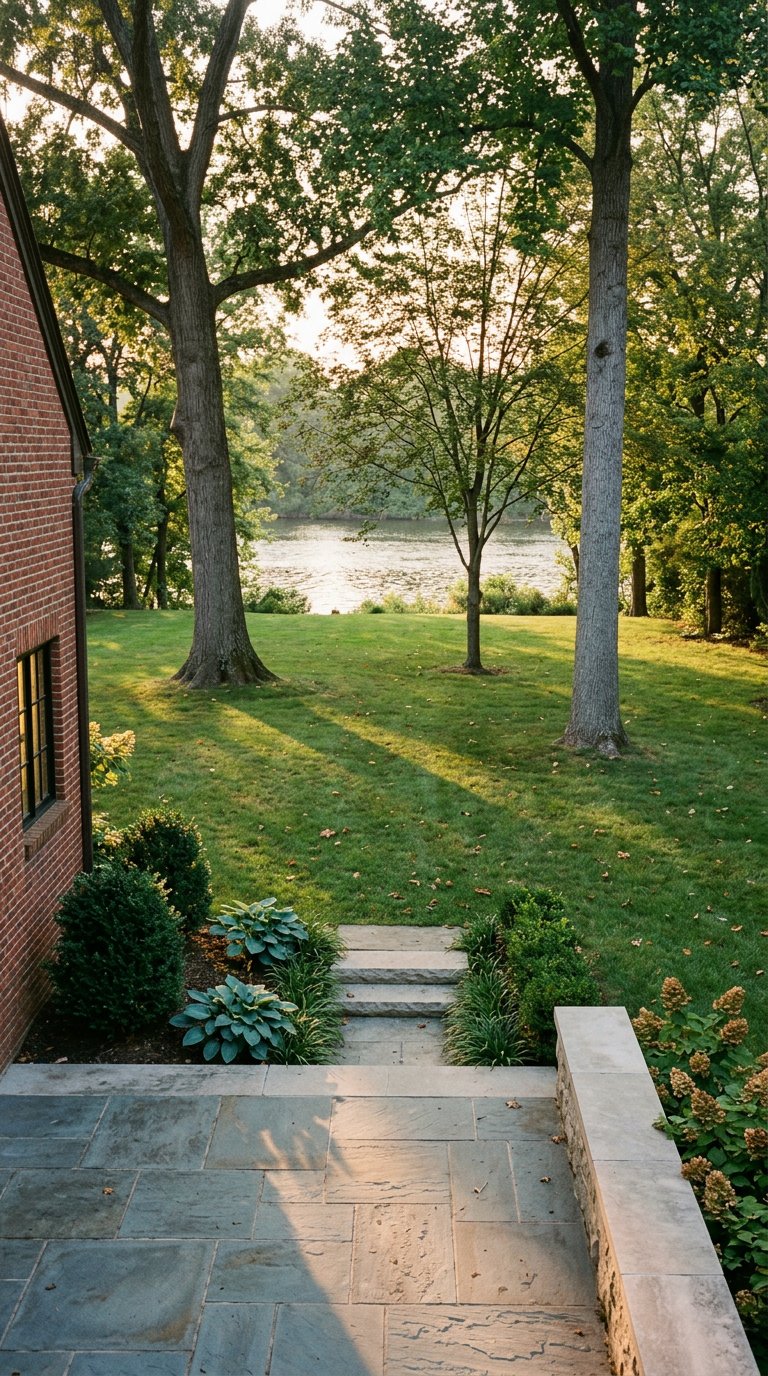
What makes Sequoyah Hills unique
Sequoyah Hills sits on a scenic river peninsula just west of downtown Knoxville, with roots in early 20th‑century planning and design. The neighborhood blends landmark streets, historic homes, and a long greenway along the water. For a quick primer on history and layout, start with the neighborhood overview on the Kingston Pike/Sequoyah Hills Association site.
If outdoor time matters to you, the City’s Sequoyah Park and the greenway are major draws. You’ll find sports fields, river access points, and a boat ramp, all maintained by the City of Knoxville. Get a feel for amenities and access on the Sequoyah Park page.
Tradeoff 1: Lot sizes and outdoor space
Lot size and yard usability vary block by block. Some streets feature generous parcels, deeper setbacks, and a mature canopy. Other pockets have smaller post‑WWII cottages and infill, which can be easier to maintain but offer less private outdoor area. Expect variety rather than a single standard lot.
What this means for you:
- If you want a large yard or a river view, focus your search on the boulevard and bluff‑side stretches and plan for higher competition on price.
- If lower maintenance and purchase price are priorities, look at inland streets with smaller cottages, then budget for updates.
Smart check: Pull parcel acreage, setbacks, and topography using the public KGIS parcel viewer. Confirm slopes and usable yard with a surveyor if the lot looks complex.
Tradeoff 2: Home age, style, and renovation scope
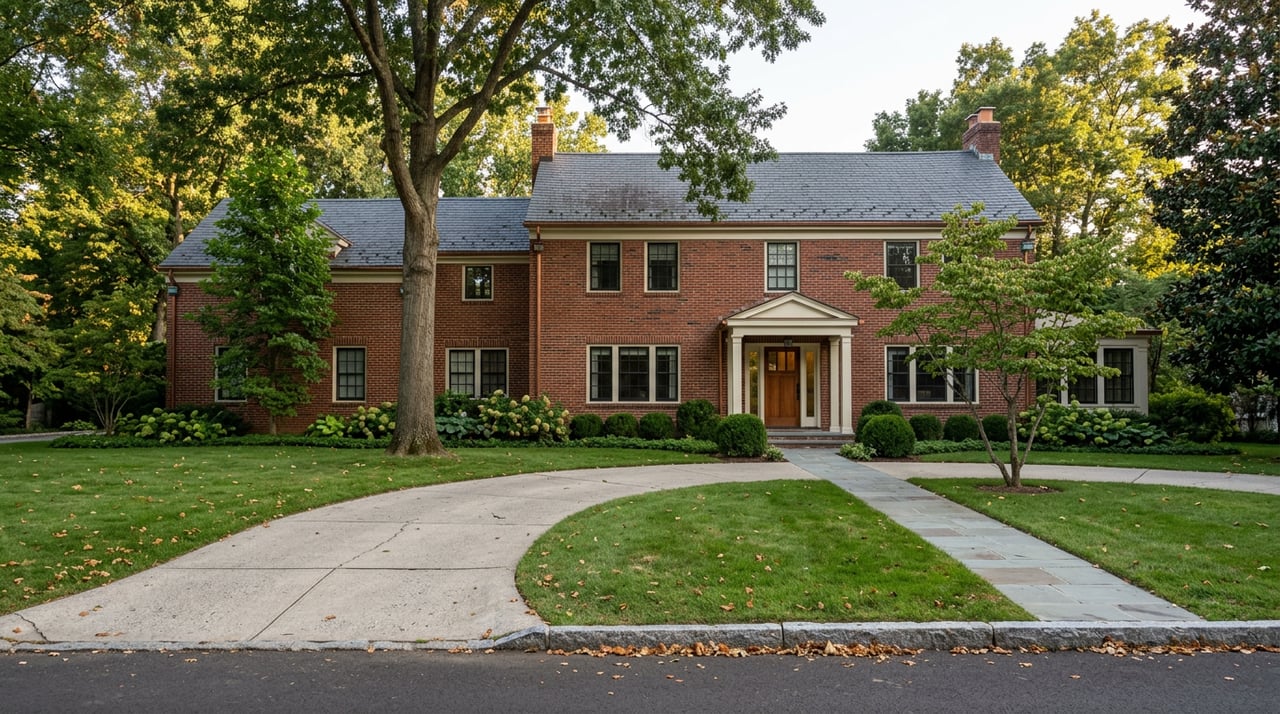
Most of the neighborhood was built between the 1920s and 1950s, with later infill. You’ll see English Tudor and Cottage influences, Colonial Revival, Craftsman bungalows, and classic ranches. Many homes retain original details while others have been updated over time.
Older homes can be rewarding, but they often come with work. Common upgrades include HVAC, wiring, plumbing, roofs, and sometimes foundation repairs. For homes built before 1978, be mindful of potential lead‑paint disturbance during renovations. Contractors who work on pre‑1978 homes must follow the EPA’s Renovation, Repair and Painting rules. Review the EPA’s RRP guidance if you plan to remodel.
Some streets have conservation guidelines that shape exterior changes. Scenic Drive, for example, sits within a Neighborhood Conservation overlay that guides placement of additions, compatible materials, and streetscape character. If your plans include visible exterior work or additions, read the Scenic Drive NC‑1 guidelines and assume extra review time.
Before you write an offer:
- Ask the seller for a full permit history and any contractor invoices.
- Cross‑check permits and parcel details in KGIS and with the City’s permitting office. The City outlines its development services process here.
- Get a thorough inspection and secure ballpark pricing from a contractor for likely updates. Set a realistic contingency for unknowns.
Tradeoff 3: River proximity: rewards and risks
Living near the river is a lifestyle win: daily walks on the greenway, quick access to the kayak put‑in, and scenic drives along Cherokee Boulevard. Explore amenities and access times on the City’s Sequoyah Park page.
Proximity brings site‑specific risks you should price into your decision:
- Flood risk. Some low‑lying parcels can fall within FEMA’s Special Flood Hazard Area. Bluff‑top homes are often above the mapped floodplain, but parcel‑level checks are a must. Learn how to read maps and confirm insurance requirements on FloodSmart.
- Shoreline work and docks. The Tennessee Valley Authority manages reservoir shorelines, and many private docks or bank stabilizations require TVA approval under Section 26a, plus possible state or federal permits. If private water access matters, confirm any existing approvals and whether they are transferable before you close.
Due diligence to protect your downside:
- Verify flood zone status and request an elevation certificate for the structure if near mapped flood areas. Start with FloodSmart.
- Ask for all shoreline and dock approvals on file if applicable, and confirm topography and access.
Tradeoff 4: Commute, transit, and schools
Sequoyah Hills is close to downtown Knoxville and the University of Tennessee. Off‑peak, drive times can be short, but expect delays during morning and evening peaks and on UT game days near Neyland Drive.
Knoxville Area Transit offers weekday service through the neighborhood on Route 10. If you value a transit option, review the schedule and stop locations for your specific block on KAT Route 10.
For schools, Sequoyah Elementary is the neighborhood’s public elementary school. School assignments vary by exact address. Always verify zones using KGIS and district tools, and review school information via the Sequoyah Elementary website.
How Sequoyah Hills compares
Sequoyah Hills typically sits in Knoxville’s upper price tier for single‑family homes. The premium reflects river access, lot size, historic character, and proximity to downtown and UT. Riverfront and fully renovated historic homes often command the highest prices. Interior lots and smaller cottages can offer relative savings, though they usually price above broader city averages.
Lifestyle comparisons in a sentence:
- Versus Bearden and West Knoxville: Sequoyah Hills is more river‑ and park‑oriented with older infrastructure, while Bearden offers more mid‑price inventory and retail variety.
- Versus Old North or downtown: Sequoyah Hills trades higher walkability for larger lots, mature canopy, and a quieter residential feel near the water.
- Versus Farragut or suburban west: Sequoyah Hills is closer to central Knoxville with historic character, while suburban west areas trend newer and farther from downtown.
A simple decision framework
Use this quick framework to stay focused and avoid second‑guessing.
- Rank your top five priorities
- Commute time
- River access or view
- Lot size and outdoor living
- School assignment verification
- Move‑in condition vs. renovation potential
- Run four must‑check items on each property
- Flood status and elevation. Confirm SFHA or near‑SFHA location and request an elevation certificate as needed. See FloodSmart.
- Historic or conservation guidelines. Check whether the parcel sits in the Scenic Drive NC‑1 or any other design‑controlled area. Review the guideline document.
- Permit history and code compliance. Verify permits through KGIS and the City’s development services process overview. Ask the seller for documentation.
- Dock and shoreline rights if waterfront is a must. Confirm whether approvals exist and are transferable before you assume private access.
- Budget smart for renovations
- For older homes, plan for systems updates and possible roof or foundation work.
- If a home was built before 1978, assume lead‑safe practices will be required for paint disturbance. Review the EPA’s RRP rules and get bids from contractors who comply.
- Add a contingency to your budget so surprises do not derail your plan.
- Line up the right specialists early
- Hire an inspector experienced with older homes.
- Bring in a surveyor if flood or shoreline questions exist.
- Ask a contractor to price your top two or three projects before you waive contingencies.
- Validate with public tools
- Parcel size, setbacks, permits, and school layers: KGIS Maps
- Flood basics and insurance: FloodSmart
- Park amenities and water access: Sequoyah Park
- Transit schedules: KAT Route 10
Pre‑offer checklist
Use this quick list to confirm you are pricing risk correctly:
- Parcel and flood: Pull parcel data and flood layers in KGIS. If near a mapped flood area, request an elevation certificate and consult FloodSmart.
- Historic/design controls: Check if the property falls under Scenic Drive NC‑1 or another conservation area. Read the guidelines.
- Permits and past work: Ask for seller’s permits, then verify through KGIS and the City’s process summary.
- Renovation scope: Get contractor walk‑through pricing, confirm EPA RRP requirements for pre‑1978 homes using the EPA guide.
- Shoreline rights: If waterfront access matters, confirm any TVA Section 26a approvals on file and whether they are transferable.
What this means for your budget
In Sequoyah Hills, the right home at the right price depends on location within the neighborhood, lot usability, and the age and condition of systems and finishes. River views and larger parcels usually command a premium. Smaller cottages and interior lots can be more accessible but may require updates. If a home predates 1978, factor in lead‑safe renovation practices. Build a contingency so you can move forward with confidence.
Ready to evaluate a property with a clear plan?
If you want straight talk on value, risk, and next steps, I’m here to help you sort the data and make a confident choice. From flood and permit checks to renovation planning and negotiation strategy, we’ll move at your pace and protect your interests at every step. Let’s talk about your shortlist and build a winning plan with Jim Klonaris.
FAQs
Is Sequoyah Hills in a flood zone for homebuyers new to Knoxville?
- Some parcels near the river sit within FEMA’s mapped floodplain, while many bluff‑top homes are above it. Always verify with parcel‑level checks and consult FloodSmart.
What should I know about building a private dock on the Tennessee River here?
- Many docks or shoreline stabilizations require TVA Section 26a approval and possibly other permits. Confirm any existing approvals and their transferability before you assume private access.
How do historic or conservation guidelines affect remodeling plans?
- Conservation overlays, such as Scenic Drive NC‑1, guide visible exterior work and additions. They shape design and can add review time. Check parcel location and read the NC‑1 guidelines.
How much should I budget for renovating an older Sequoyah Hills home?
- Scope varies by house, but plan for systems updates and potential roof or foundation work. For pre‑1978 homes, include costs for EPA RRP‑compliant lead‑safe practices using the EPA guidance.
What transit options serve Sequoyah Hills if I prefer not to drive daily?
- Knoxville Area Transit operates Route 10 with scheduled weekday service in the neighborhood. Check stops and frequency on the KAT Route 10 page.