Selling in Sequoyah Hills is different from selling in a newer neighborhood. Buyers are not just looking at square footage or finishes. They are reacting to the whole picture, including the home’s architecture, the lot, the trees, and the streetscape. If you want your home to stand out for the right reasons, the goal is simple: present it in a way that feels polished, current, and true to its character. Let’s dive in.
Why Sequoyah Hills styling matters
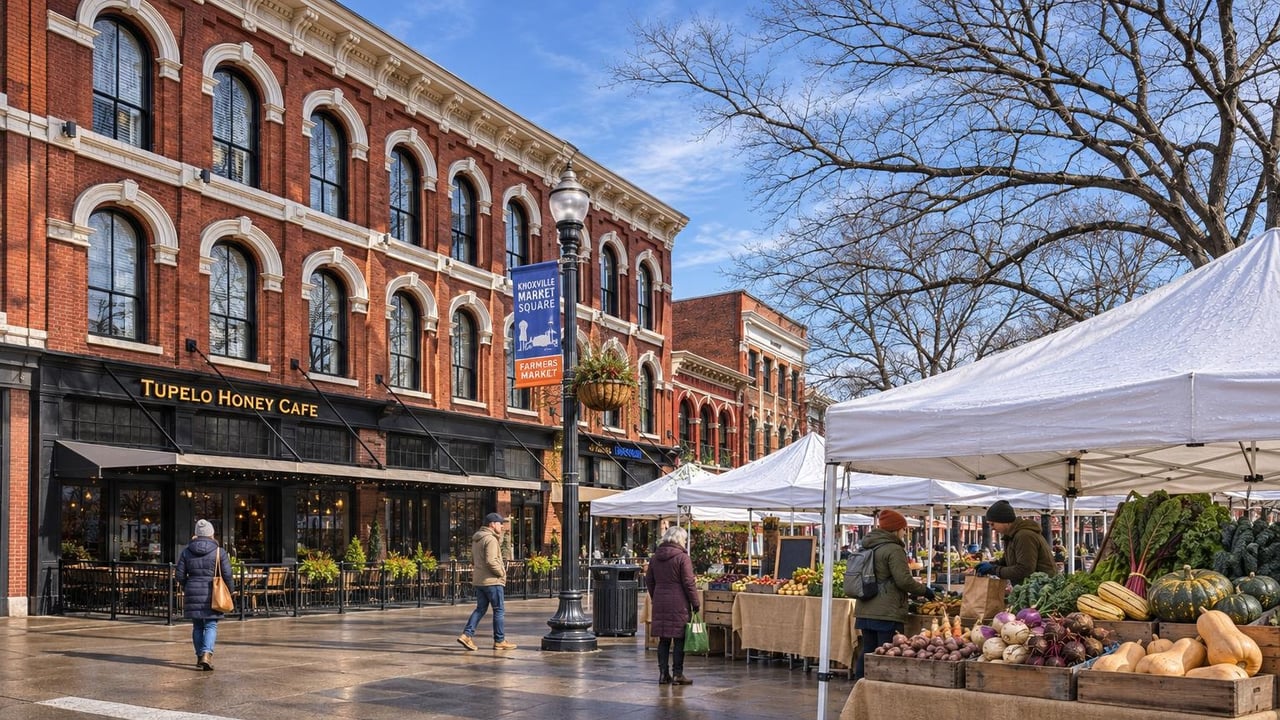
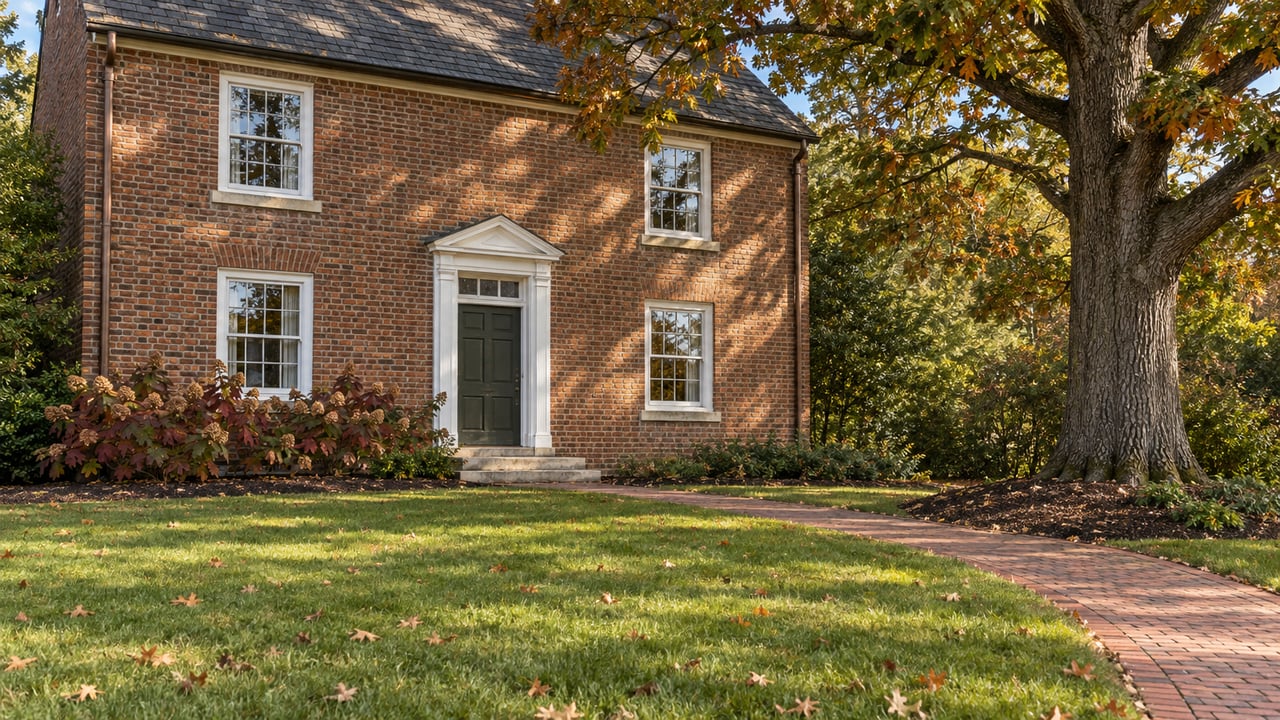
Sequoyah Hills is one of Knoxville’s oldest premier residential sections, with Cherokee Boulevard serving as a defining feature since 1925. Local planning materials describe the neighborhood as a 1920s suburban development shaped by curving streets, preserved topography, and a mix of Colonial Revival, Tudor Revival, Craftsman, Dutch Colonial Revival, Ranch, and Mid-Century Modern homes.
That matters when you prepare your home for the market. In Sequoyah Hills, presentation works best when it supports the home’s architectural story instead of fighting it. Buyers are often responding to original design details, balanced facades, mature landscaping, and a sense that the property has been well cared for over time.
Start with the features buyers notice most
Staging does not have to mean a full redesign. The biggest win is helping buyers picture themselves in the home while making the house feel clean, bright, and easy to understand.
According to the 2025 Profile of Home Staging, 83 percent of buyers’ agents said staging makes it easier for buyers to visualize a home as their future residence. The same report found that buyers pay the most attention to the living room, primary bedroom, and kitchen.
If you are deciding where to spend time and money first, focus on these spaces:
- Living room
- Primary bedroom
- Kitchen
- Dining room
- Front entry
These rooms shape the first impression, both in person and in listing photos.
Let the architecture lead
Older and architecturally distinctive homes usually show best when you remove distractions. In Sequoyah Hills, that often means editing the décor so built-ins, fireplaces, stair details, millwork, original floors, porches, masonry, dormers, and proportionate windows can stand out.
This is not the market for covering up character with oversized furniture or heavy accessories. A simpler, restrained look tends to photograph better and helps buyers notice what makes the home special.
Original details worth highlighting
If your home has original or long-standing features in good condition, they may be part of its appeal. Clean them, repair them where needed, and make sure they are easy to see.
Features that often deserve center stage include:
- Original wood windows
- Masonry details
- Porch columns
- Trim and millwork
- Fireplaces
- Built-ins
- Hardwood floors
- Distinctive rooflines
- Dormers and balanced window placement
Local design guidance and preservation standards both point in the same direction. When historic features are deteriorated, repair is often a better choice than replacement. If replacement is necessary, the new feature should match the original design, color, texture, and, when possible, materials.
Improve curb appeal without erasing character
In Sequoyah Hills, curb appeal is usually less about flashy updates and more about balance. The front of the house should feel welcoming, well maintained, and consistent with the home’s style.
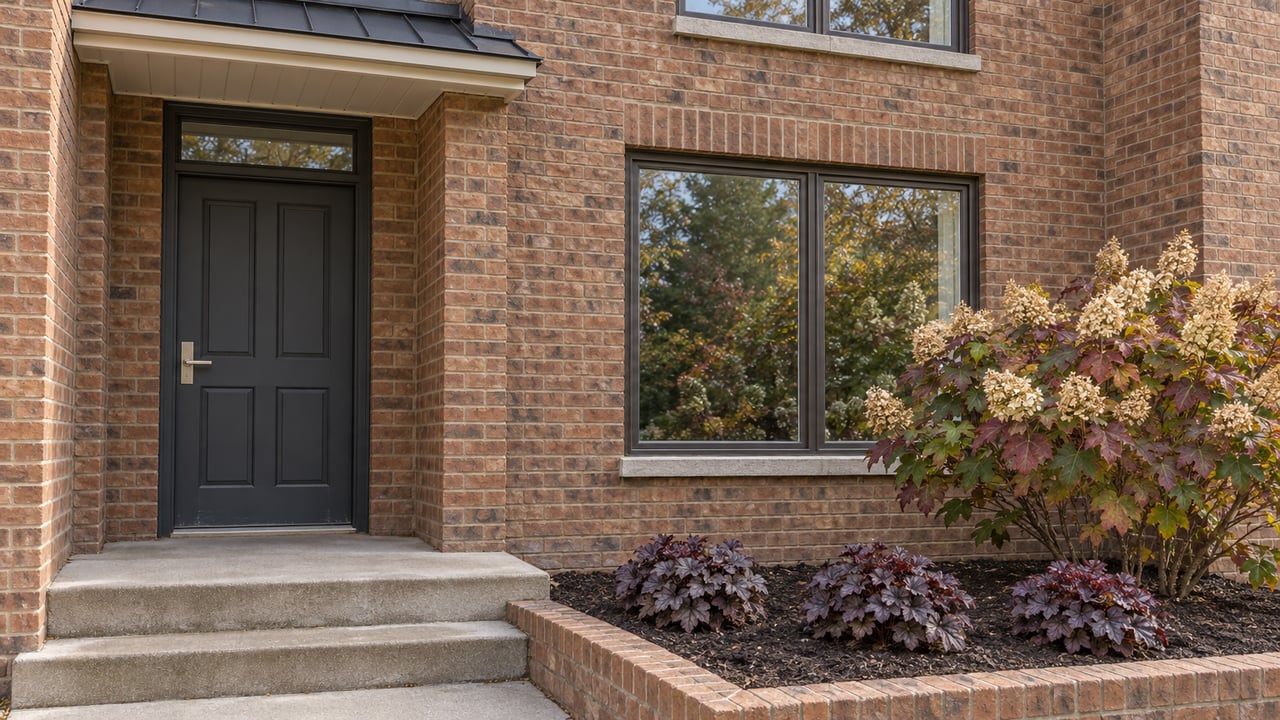
Local Scenic Drive NC-1 guidelines emphasize strong front entries, porches or porticos that fit the historic look, garage placement that does not dominate the street view, and landscaping that preserves mature trees and the leafy canopy. That is a useful framework even if you are only making light improvements before listing.
Exterior updates with strong payoff
Before your home hits the market, consider simple exterior improvements like these:
- Freshen the front door if the finish is worn
- Clean masonry, trim, and porch surfaces
- Repair loose railings, columns, or shutters
- Trim landscaping to frame the entry, not hide it
- Clear walkways and simplify potted plants or décor
- Make sure the house numbers and lighting are neat and functional
- Keep driveways and parking areas visually secondary to the house
The goal is to make the entry sequence feel easy and attractive from the street. Buyers should notice the house first, not visual clutter.
What to avoid outside
Some changes can work against you in this neighborhood, even if they seem modern or convenient.
Try to avoid:
- Front additions that obscure the original facade
- Fencing or plantings that block the entry
- Oversized front-yard parking areas
- Replacement windows or doors with mismatched proportions
- Exterior elements that feel out of scale with the house
When the facade loses its balance, the home can feel less authentic. In a place like Sequoyah Hills, that can weaken buyer interest instead of improving it.
Use a light touch inside
Inside the home, buyers usually respond best to a clean, edited look that feels intentional but not overdone. In homes with Colonial Revival, Tudor Revival, Craftsman, or Mid-Century elements, a restrained color palette and simple furnishings are usually safer than highly personalized décor.
That does not mean every room should feel empty. It means each room should have a clear purpose, comfortable scale, and enough open space for buyers to notice the architecture.
A practical room-by-room styling plan
Living room
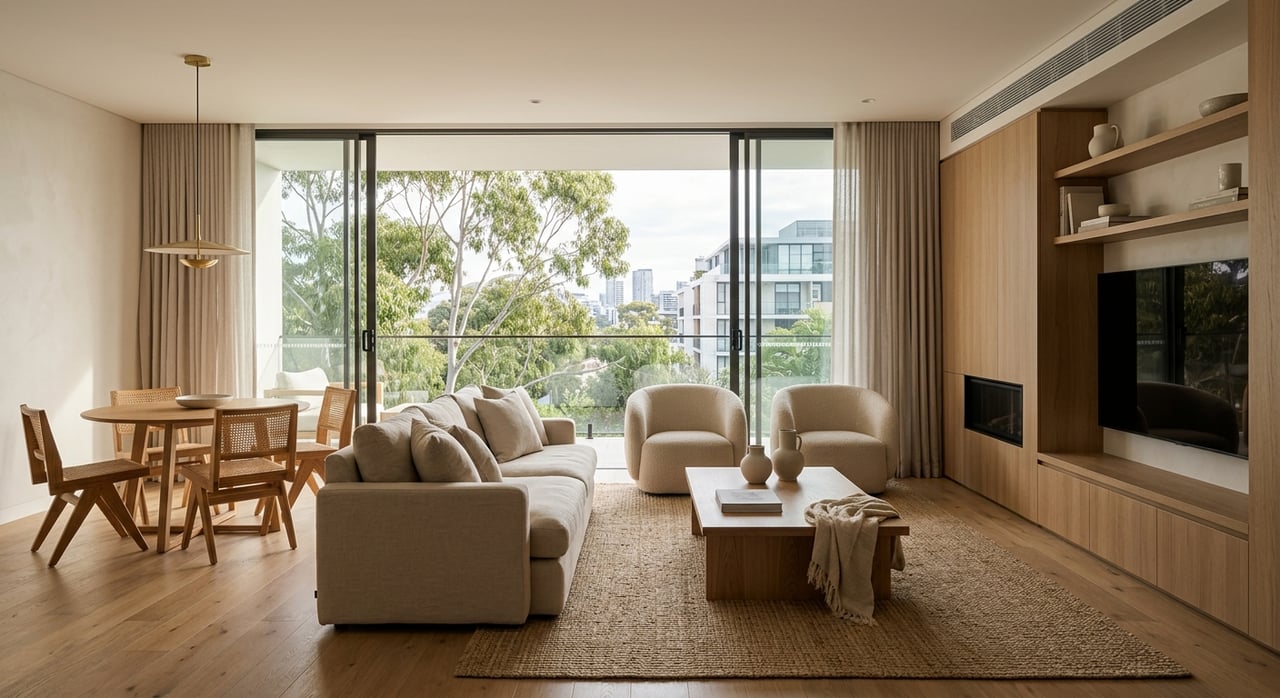
Pull back oversized pieces and create a simple conversation area. If you have a fireplace, built-ins, or large windows, make those the focal points. Keep accessory layers light so the room feels open in photos.
Kitchen
Clear countertops as much as possible. Leave only a few functional or attractive items, such as a small lamp, a wood board, or a simple bowl. Buyers want to see workspace, storage, and light.
Primary bedroom
Keep bedding crisp and neutral. Remove extra furniture if the room feels crowded. The goal is to create a calm, restful look with good flow around the bed.
Dining room
Define the room clearly, especially if it is formal or has original trim. A centered table, balanced chairs, and minimal tabletop styling are usually enough.
Entry
Your front hall or foyer sets the tone. Keep it bright, uncluttered, and easy to move through. If the home has a notable staircase, original flooring, or millwork, make sure those details are visible right away.
How much staging is enough?
You do not always need full-service staging to make a strong impression. The staging research shows that when full staging is not practical, decluttering and fixing property faults come first.
For many Sequoyah Hills sellers, the right level of prep looks like this:
- Declutter every main living area
- Remove overly personal or distracting décor
- Repair visible maintenance issues
- Rearrange furniture to improve scale and flow
- Style key rooms for photos and showings
That approach often gives you the best return on effort. It respects the home’s design and keeps the focus on what buyers are most likely to value.
Photos matter as much as the room itself
Today, styling is not just about the in-person showing. The 2025 staging report found that photos, physical staging, video, and virtual tours all play an important role in the listing package.
That means your home should be prepared to look good from every angle, not just when you stand in the doorway. Lighting, sightlines, furniture placement, and visible architectural details all matter once the camera is involved.
Small updates that usually make sense
If you are trying to decide what to update before selling, stay focused on repairs and refinements that improve condition without stripping away identity.
Good candidates often include:
- Paint touch-ups in a restrained palette
- Hardware updates that suit the home’s style
- Light fixture replacements that feel simple and appropriate
- Refinished or cleaned floors
- Repaired trim, doors, or window components
- Fresh landscaping cleanup
In contrast, large style swings can be risky. A home in Sequoyah Hills usually benefits more from being well edited and well maintained than from being heavily reinvented.
Know the rules before changing the exterior
This point is important. For homes in a designated Historic H-1 or Neighborhood Conservation NC-1 overlay, exterior construction, additions, demolition, relocation, and some repairs or alterations may require a Certificate of Appropriateness in addition to a building permit.
These review tools exist to keep new work harmonious with original buildings and the neighborhood’s physical character. If you are considering more than basic cleaning, maintenance, or styling, it is smart to confirm what rules apply before making changes.
The smartest strategy for Sequoyah Hills sellers
The best presentation plan for this neighborhood is usually not dramatic. It is thoughtful. You want buyers to see a home that feels cared for, architecturally honest, and lightly modernized where it counts.
That takes judgment more than guesswork. You need to know which details deserve attention, which updates are worth doing, and which changes could dilute the appeal that makes Sequoyah Hills special in the first place.
If you are thinking about selling and want a calm, strategic plan for styling, pricing, and positioning your home, Jim Klonaris can help you prepare it for the market with clear advice and no pressure.
FAQs
What home features matter most when selling in Sequoyah Hills?
- Original architectural details, a balanced front facade, strong entry presentation, mature landscaping, and well-maintained living spaces tend to matter because they support the home’s overall character.
What rooms should you stage first in a Sequoyah Hills home?
- Start with the living room, primary bedroom, kitchen, dining room, and front entry, since staging research shows buyers focus most on these areas.
What small updates usually help a Sequoyah Hills listing?
- Decluttering, repair work, paint touch-ups, lighting improvements, floor cleaning or refinishing, and landscape cleanup are often useful because they improve presentation without removing character.
What exterior changes should you avoid before listing a Sequoyah Hills home?
- Avoid changes that obscure the original facade or disrupt the home’s proportions, such as front additions, mismatched replacement windows or doors, blocked entries, or oversized front parking areas.
What should you preserve in an older Sequoyah Hills house before selling?
- Preserve visible features such as original windows, masonry, porch columns, trim, fireplaces, built-ins, floors, and roof details when possible, since these elements often help tell the home’s architectural story.
What rules can affect exterior work on a Sequoyah Hills home?
- If the property is in a Historic H-1 or Neighborhood Conservation NC-1 overlay, some exterior work may require a Certificate of Appropriateness along with a building permit, so it is wise to verify requirements before making changes.