If you are thinking about selling in Farragut, your list price matters more than most sellers want to believe. In a premium market, it can be tempting to aim high and hope the right buyer stretches, but today’s buyers are watching value closely and reacting fast to homes that feel overpriced. When you price strategically from day one, you give yourself a better chance to protect your time on market, your negotiating position, and your final outcome. Let’s dive in.
Why pricing matters in Farragut
Farragut is not just another part of Knox County. It is a distinct market with a higher price point, strong owner occupancy, and a lifestyle that attracts buyers looking for both the home and the location.
Recent data shows that Farragut sits well above the broader county market. Redfin reported a median sale price of $733,000 in Farragut in March 2026, compared with $391,000 in Knox County. That gap is a strong reminder that your home should be priced using Farragut-area sales, not county-wide averages.
Census data also helps explain why this market behaves differently. Farragut has an estimated 2024 population of 25,242, an owner-occupied housing rate of 84.7%, a median household income of $142,093, and a median owner-occupied home value of $583,400. In practical terms, that points to a stable, owner-focused market where buyers tend to be informed and deliberate.
What current market data is saying
The clearest message in today’s numbers is simple: buyers in Farragut are selective. Homes are still selling, but buyers do not appear to be rewarding optimistic pricing the way they might in a hotter, faster-moving market.
Redfin reports that Farragut homes sold after 54 days on market in March 2026, with average homes going pending in about 67 days. It also reports a 96.4% sale-to-list ratio, only 3.3% of homes selling above list, and 19.5% of homes showing price drops.
Realtor.com shows somewhat different numbers because it tracks the market differently, but the direction is similar. It reports a median listing price of $782,450, a 98% sale-to-list ratio, homes selling for 2.27% below asking on average, and 42 median days on market. No matter which source you look at, the pattern points to a market where overpricing can lead to reductions.
That lines up with the broader East Tennessee outlook as well. East Tennessee REALTORS forecasts 3.1% home-price growth and 6.8% sales growth in 2026, while also noting buyer caution tied to inflation and economic uncertainty. This is not a market that rewards guesswork.
Why starting too high can backfire
A lot of sellers ask the same question: why not start high and see what happens? On paper, it sounds harmless. In practice, it often costs you momentum.
Your first days on the market usually get the most attention. Buyers who have been waiting for the right home will see your listing quickly, compare it to recent sales, and decide whether it feels like a fair opportunity or an overpriced test.
If the launch price is too aggressive, you may still get views online, but fewer serious showings and weaker early interest. Once a home sits and then needs a reduction, the market can interpret that as a reaction to feedback rather than a confident strategy. In a market like Farragut, that matters.
Farragut buyers are doing payment math
Even in a higher-price market, affordability still shapes behavior. Buyers are not only looking at the purchase price. They are thinking about what that number means for their monthly payment.
Freddie Mac’s Primary Mortgage Market Survey showed a 30-year fixed mortgage rate of 6.37% as of May 7, 2026. At that rate, every additional $1,000 borrowed adds about $6.24 per month in principal and interest. A $16,000 difference in loan amount adds about $99.77 per month.
That means a price gap that feels small to a seller can feel very real to a buyer. If your home is priced above where the market sees value, that extra monthly cost may be enough to push buyers toward another option.
Use Farragut comps, not broad averages
The most defensible way to price a home is to start with recent sold comparable properties in Farragut or in very similar nearby neighborhoods. Then you adjust for the details that actually influence value.
Those adjustments can include:
- Condition and maintenance
- Renovations and upgrades
- Lot size and lot quality
- Location within the neighborhood
- Road or traffic exposure
- Outdoor living features
- HOA amenities or community features
- Whether the home feels truly move-in ready
This is where strategy matters. Two homes with similar square footage can still command different results based on finish level, layout, privacy, or overall presentation. The goal is not to pick the highest sale and hope. The goal is to identify a believable price range that buyers and lenders can support.
The appraisal piece matters too. The Consumer Financial Protection Bureau explains that an appraisal is an independent opinion of value that may compare the property with similar nearby homes. If your contract price stretches beyond what the market can support, that can create problems later.
How many comps are enough?
There is no magic number that fits every home. What matters is whether the comps are recent, relevant, and truly comparable.
For many Farragut homes, you want a solid group of recent nearby sales that reflect similar size, style, age, condition, and overall appeal. If your home has unique features, the comp set may need to widen carefully to include similar properties in closely related areas, but the starting point should still be Farragut whenever possible.
This is one reason pricing can feel more nuanced in a premium market. The higher the price point, the more important it becomes to compare the right homes rather than simply averaging numbers.
Can a renovated home be priced above recent sales?
Sometimes, yes. But the increase needs to be supported by the market, not just by the cost of improvements.
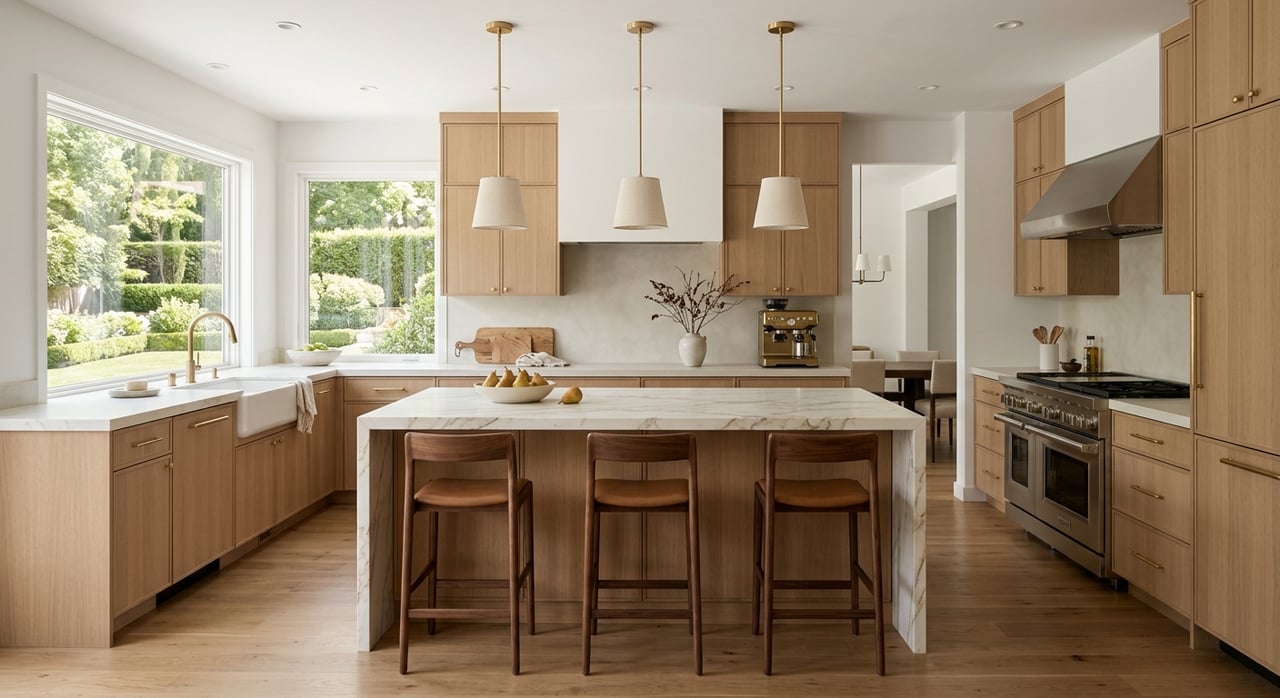
A renovated home may justify a stronger launch price if the updates clearly improve condition, function, and buyer appeal. Kitchens, primary suites, living areas, dining areas, and outdoor spaces tend to shape buyer perception in a meaningful way.
That said, not every dollar spent on updates turns into a dollar of added value. Buyers will usually pay more for a home that feels fresh, move-in ready, and easy to live in, but they still compare it against recent closed sales. Strategic pricing means giving your upgrades credit without pricing the home into a category the comps cannot support.
Presentation is part of pricing strategy
Pricing and presentation should never be treated as separate decisions. If your home is cluttered, under-repaired, or poorly photographed, buyers will usually discount it right away.
That is why preparation matters before you hit the market. According to the National Association of REALTORS’ 2025 staging research, 83% of buyers’ agents said staging made it easier for buyers to visualize the property as a future home. The same research found that 49% of sellers’ agents said staged homes sold faster, and 29% reported a 1% to 10% increase in the dollar value offered.
Online presentation is especially important because many buyers make their first decision from the listing photos. NAR also reported that one in three buyer’s agents said clients were more likely to schedule a showing after seeing a staged home online. In other words, strong presentation can help support your launch price because it improves how buyers perceive value from the start.
What to do before you list
If you want the market to support your price, your home should feel ready on day one. Common pre-list priorities from NAR’s consumer guidance include:
- Decluttering
- Deep cleaning
- Minor repairs
- Depersonalizing
- Paint touch-ups
- Improving curb appeal
- Professional photography
These are not cosmetic extras. They are part of the strategy. When buyers see obvious unfinished projects or distracting presentation issues, they tend to build those costs and inconveniences into their offer decisions.
Ready now beats perfect timing later
Some sellers wonder whether they should wait for a better season instead of listing now. In many cases, the smarter question is whether the home is truly ready.
If the property still needs repairs, cleanup, or stronger photography, the market will notice immediately. A well-prepared launch often does more to protect value than rushing to market before the home is ready to compete.
In Farragut, that first impression carries weight. With reported time on market ranging from 42 median days to about 67 days pending depending on the source, your opening strategy matters. A strong start can put you in a better position than an early miss followed by adjustments.
A simple pricing framework for sellers
If you want to price your Farragut home strategically from day one, focus on a calm, disciplined process:
- Study recent Farragut sales that closely match your home.
- Adjust for condition, upgrades, lot, and location factors rather than relying on broad averages.
- Assess your competition by looking at active listings buyers will compare you against.
- Prep the home before launch with cleaning, repairs, staging, and strong photography.
- Choose a believable list price that attracts serious buyers and stands up to appraisal scrutiny.
- Watch early feedback closely because the first few weeks often reveal whether the market agrees.
This approach is not flashy, but it is effective. It gives you a better shot at creating interest early, limiting the need for reductions, and negotiating from a position of strength.
Strategic pricing is really about credibility. In a market like Farragut, buyers notice when a home is priced with discipline and presented with care. If you want a calm, honest conversation about where your home fits in today’s market, Jim Klonaris can help you build a pricing and launch plan that makes sense from day one.
FAQs
Why shouldn’t you start high when pricing a Farragut home?
- Starting too high can reduce early buyer interest, extend time on market, and increase the odds of a later price reduction that makes the listing look reactive.
How should you price a home in Farragut instead of using Knox County averages?
- You should start with recent sold comps in Farragut or very similar nearby neighborhoods because Farragut’s price point is significantly higher than the broader Knox County market.
Can staging support a stronger list price for a Farragut home?
- Yes, staging can improve buyer perception and help support value because buyers often react to condition and presentation before they ever schedule a showing.
What improvements matter most before listing a Farragut home?
- Decluttering, cleaning, minor repairs, paint touch-ups, curb appeal, depersonalizing, and professional photos are common priorities that can improve how buyers respond.
Does a renovated Farragut home always deserve a price above recent sales?
- Not always, because the market still looks to comparable sales, but strong renovations may justify a higher price if they clearly improve condition, function, and buyer appeal.
Is it better to wait for a different season or list once your Farragut home is ready?
- In many cases, it is better to list once the home is fully prepared because an unready launch can weaken buyer response and lead to price cuts later.