Torn between Farragut and West Knoxville for your next move? You are not alone. Both offer strong value, but they feel different day to day. In this guide, you will get a clear, side-by-side look at housing styles, commutes, schools, taxes, and lifestyle so you can choose with confidence. Let’s dive in.
What these areas mean
Farragut at a glance
Farragut is an incorporated town just west of Knoxville with its own municipal services and parks. It is smaller and more suburban in feel, with about 25,000 residents and a notably higher median household income compared with the City of Knoxville. Recent federal data shows Farragut with higher incomes and similar average commute times to the city overall, which helps explain its suburban, higher-amenity profile (U.S. Census QuickFacts for Farragut and Knoxville).
What counts as West Knoxville
West Knoxville is not a separate city. It is a collection of established Knoxville neighborhoods west of the University of Tennessee and downtown, including areas many locals know like Bearden, West Hills, Sequoyah Hills, and the Kingston Pike corridor. You will find a blend of tree-lined streets, older homes, and busy retail corridors in close reach of central Knoxville (overview of Knoxville neighborhoods).
Housing styles and tradeoffs
Newer subdivisions in Farragut
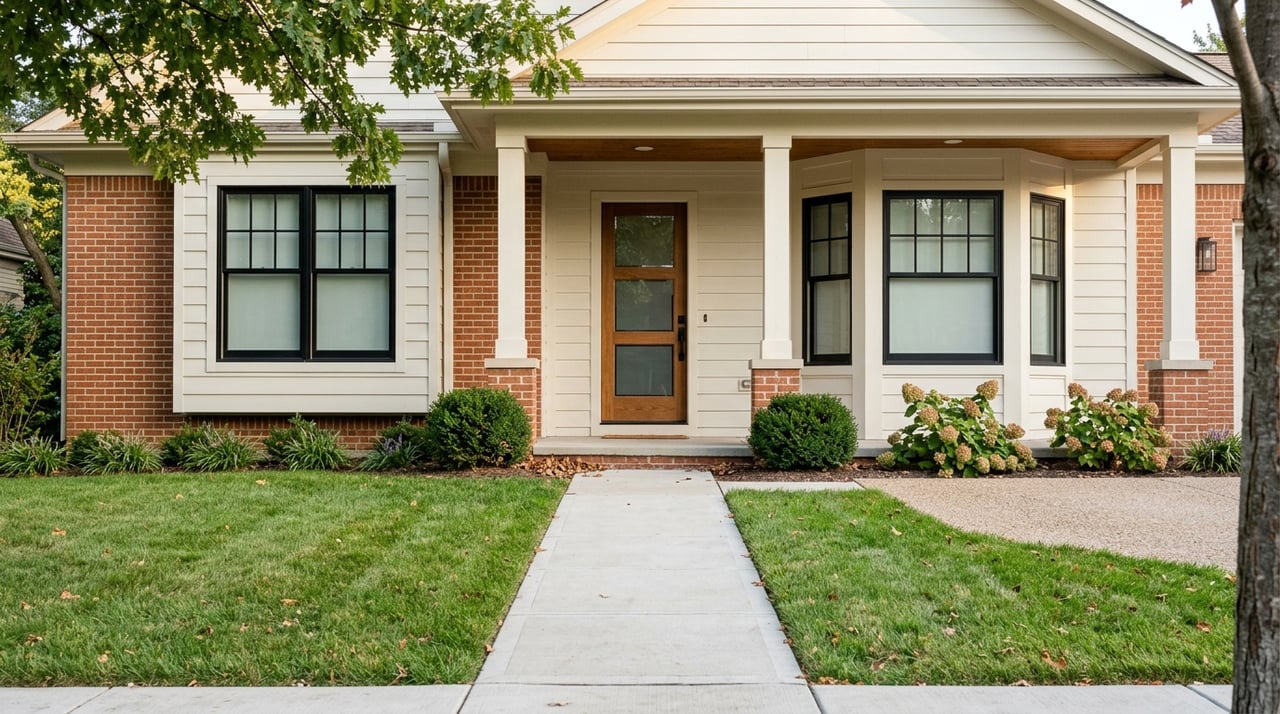
Much of Farragut’s housing stock is suburban single-family neighborhoods and newer subdivisions. The town consistently records new single-family building permits, which supports what you see on the ground: fresh construction, planned amenities, and infill projects in the pipeline (Town financial and permits report).
Pros you may notice:
- Newer building systems and finishes that can lower near-term maintenance.
- Community amenities like pools, sidewalks, and playgrounds.
- Quick access to Turkey Creek shopping and the emerging Town Center.
Potential tradeoffs:
- A more car-oriented layout, so most errands involve a short drive.
- HOA rules and fees in many planned communities.
- Fewer historic-home options if you prefer older architecture.
Established neighborhoods in West Knoxville
In West Knoxville, many neighborhoods are older and closer to central Knoxville. You will see bungalows, mid-century ranches, and historic homes, along with renovation opportunities on smaller lots (city neighborhood context).
Pros you may notice:
- Proximity to Kingston Pike shopping and dining, and often shorter trips toward downtown or UT.
- Mature trees and neighborhood character.
- More options to update or customize an older home.
Potential tradeoffs:
- Older roofs, HVAC, or electrical that may need updates.
- Variable energy efficiency in older builds.
- Some streets near busy corridors experience more traffic.
Commute and mobility
Average commute times are comparable on paper, with Farragut around 22 minutes and Knoxville city around 20 minutes, but your real drive depends on your exact address and the time of day (U.S. Census QuickFacts). Peak-hour congestion often builds along Kingston Pike and around I-40 interchanges. If commute matters, test your route at the hours you would travel.
If your time horizon is 5 to 10 years, it helps to know that Kingston Pike and surrounding corridors have been recognized in long-range planning discussions for mobility improvements. That context can shape future travel times and access as projects come online over time (regional mobility plan reference).
Schools and zoning
Schools are a key factor for many buyers. Farragut schools are widely recognized for strong academic performance within Knox County, and the district provides current profiles for each school. For example, you can review the most recent Farragut High School profile to understand programs and outcomes (FHS school profile). The county has also discussed facilities and capacity planning to address growth in the Farragut area, which signals ongoing investment in school seats (coverage of proposed new school projects).
Always confirm your exact school assignment with Knox County Schools before making a decision. Attendance zones can change, and address-by-address lookups are the best way to verify.
Taxes and services
One practical difference is how local property taxes work. The Town of Farragut does not levy a municipal property tax. Farragut residents pay county and overlapping taxes, but there is no separate town property tax line item in the town’s financials (Town of Farragut financial report).
By contrast, properties inside the City of Knoxville pay a city property tax. For the 2025–26 budget year, the city tax rate is 2.1556 per 100 dollars of assessed value, as approved by City Council (City of Knoxville budget update).
Here is simple example math to show the effect of the city tax component only. If a Knoxville home has an assessed value of $100,000, the city tax would add about $2,155.60 per year. A comparable home outside the city limits in Farragut would not have that city tax line, though county and other applicable taxes still apply. Always verify current county and city rates and confirm whether a property sits inside city limits before you make comparisons.
Shopping, parks, and day-to-day life
Farragut offers major retail at Turkey Creek and is adding a walkable node at the Biddle Farms Town Center, which is increasing close-at-hand dining and services near surrounding neighborhoods (Town Center improvements). The town’s park system is a local point of pride, with destinations like McFee Park and Anchor Park and a growing greenway network for everyday fitness and play (Visit Farragut parks and greenways).
West Knoxville places you near established retail along Kingston Pike, West Town Mall, and Bearden, so mid-day errands can be quick. You will also be closer to downtown venues for evening arts and events, depending on your exact address (Knoxville neighborhood overview).
Long-term planning and resale
Future supply and nearby amenities can shape value over time. In Farragut, steady single-family permitting suggests a pipeline of newer homes that may support continued demand, especially when paired with town investments and mixed-use nodes like the Town Center (Town permits and financials and Town Center improvements). In West Knoxville, established neighborhoods with convenient access often hold appeal for buyers who value proximity to central Knoxville, while retail corridor updates and transportation projects can influence traffic patterns and livability over a 5 to 10 year horizon (regional mobility plan reference).
A simple decision framework
Use this quick checklist as you compare addresses.
- Work and daily commute
- Drive your route during your real AM and PM windows. Note both average time and worst-case time. Use these results in your offer planning. (commute context from QuickFacts)
- School zones and capacity
- Confirm your school assignment and review current school profiles. Track any capacity projects that could affect zoning or program offerings. (FHS profile and capacity coverage)
- Housing tradeoffs
- Weigh newer subdivision benefits like lower maintenance and amenities against the character and renovation potential of older homes. Match the choice to your timeline and tolerance for projects.
- Taxes and recurring costs
- Confirm if the property is in city limits. Estimate the city tax using the current rate and compare against a Farragut address with no municipal property tax. Then layer in county and other applicable taxes. (Farragut financials and City tax rate)
- Lifestyle fit
- List your weekly routines. Do you want park access and quiet streets, or quicker trips to downtown events and central retail? Farragut skews suburban with parks and new nodes. West Knoxville offers a mix of village-like pockets and busy corridors. (Visit Farragut and neighborhood context)
- Resale and nearby development
- Scan recent permit activity, mixed-use plans, and transportation priorities near your target address. These shape future demand, traffic, and livability. (Farragut permits and mobility planning)
Which fits you best
- Choose Farragut if you prefer newer neighborhoods, town-managed parks and greenways, and an emerging Town Center that brings dining and services closer. The lack of a municipal property tax is a practical plus for many budgets.
- Choose West Knoxville if you want established neighborhoods with character, quicker reach to downtown for work or nightlife, and a wide range of housing types by street and pocket.
- Not sure yet? Tour both at peak and off-peak hours. Grab coffee, run an errand, and time the drive to work. Your daily rhythm will point you in the right direction.
When you are ready to compare specific homes, let’s talk details. I will help you test commute times, confirm tax lines, and weigh home condition against your budget and timeline. Reach out to Jim Klonaris for calm, straightforward guidance that keeps you in control.
FAQs
Is Farragut part of Knoxville or its own town?
- Farragut is an incorporated town just west of Knoxville with its own municipal government and services, while West Knoxville is a group of neighborhoods within the City of Knoxville.
How do property taxes compare between Farragut and West Knoxville?
- Farragut does not levy a municipal property tax, while Knoxville applies a city tax of 2.1556 per 100 dollars of assessed value for 2025–26, in addition to county and other taxes.
What is West Knoxville, exactly, and which neighborhoods are included?
- West Knoxville refers to city neighborhoods west of downtown and the University of Tennessee, commonly including Bearden, West Hills, Sequoyah Hills, and areas along Kingston Pike.
Are there walkable areas in Farragut?
- Farragut is adding a more walkable mixed-use node at the Biddle Farms Town Center and provides connected parks and greenways that support daily walking and biking.
How should I test the commute before buying?
- Drive your exact route from a candidate home during your typical AM and PM windows on weekdays and note both average and worst-case times, since peak traffic can change results.