If you love architecture, Sequoyah Hills is the kind of neighborhood that makes you slow down on purpose. The streets curve with the land, the homes span multiple eras, and the tree canopy shapes the experience as much as the houses do. If you are trying to understand what really sets this Knoxville neighborhood apart, this guide will help you read the homes, the lots, and the preservation details with more confidence. Let’s dive in.
Why Sequoyah Hills Feels Different
Sequoyah Hills has a distinct planning story, and that story still shows up in the streetscape today. According to Knoxville’s West City Sector Plan, the neighborhood began in 1925 and became the city’s first subdivision completed with curvilinear streets.
That matters because the layout was designed to follow the land’s contours rather than force a rigid grid. The same plan notes that utilities were placed underground and trees were preserved where possible, which helps explain why the original sections still feel cohesive and mature.
The neighborhood also has age and depth that you do not find in many later suburbs. The West City Sector Plan states that about half of Sequoyah Hills housing units were built before 1950, giving the area an older, layered feel rather than a single-era look.
In some parts of the neighborhood, the landscape is part of the architecture itself. The Talahi addition includes decorative lampposts, gateway markers, Papoose Park, and other planned streetscape elements, and those street improvements are listed as a National Register historic district.
Architectural Styles You’ll See Most
One of the best things about Sequoyah Hills is that it does not read like a one-style neighborhood. You can see formal period homes, smaller historic houses, postwar cottages, and later infill, all within the same broader setting.
Tudor Revival Homes
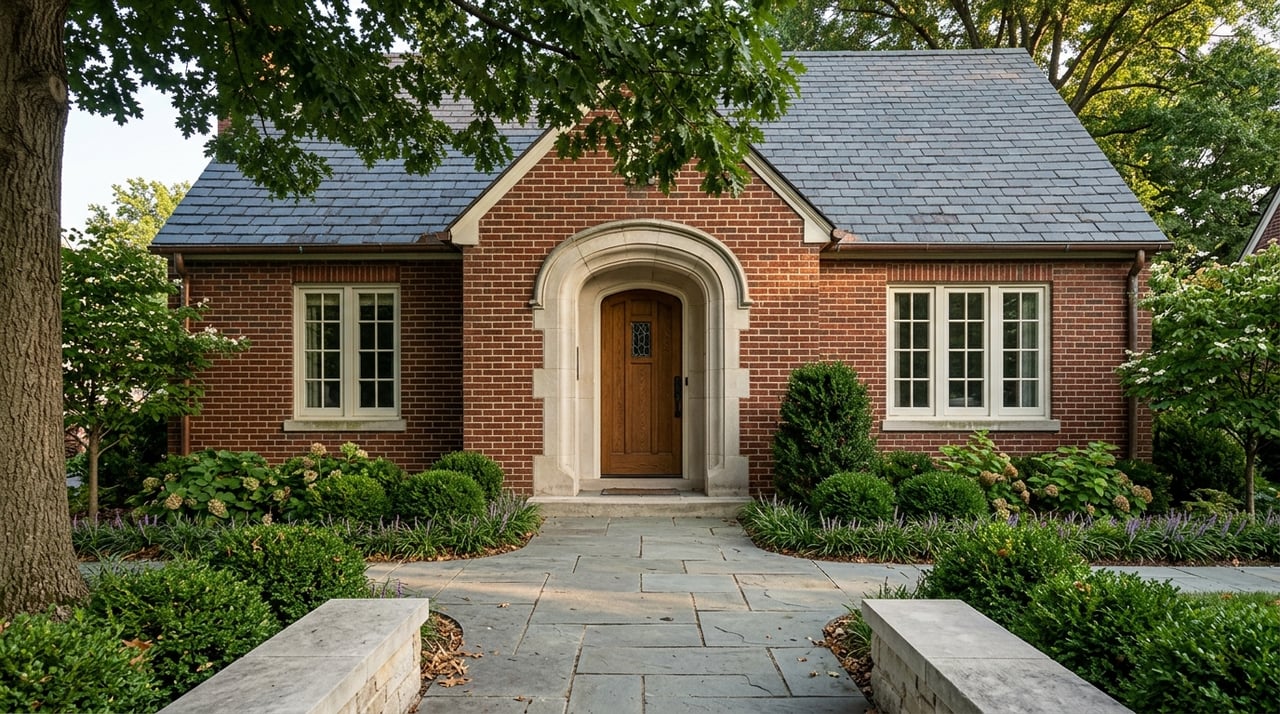
Tudor Revival is one of the signature looks in Sequoyah Hills. Knoxville planning materials describe this style with steep gables, stucco at the gable ends, irregular massing, and large chimneys.
If you are drawn to dramatic rooflines and storybook character, these homes tend to stand out quickly. They also often come with more detailed exterior materials and upkeep needs than simpler house types.
Colonial Revival Homes
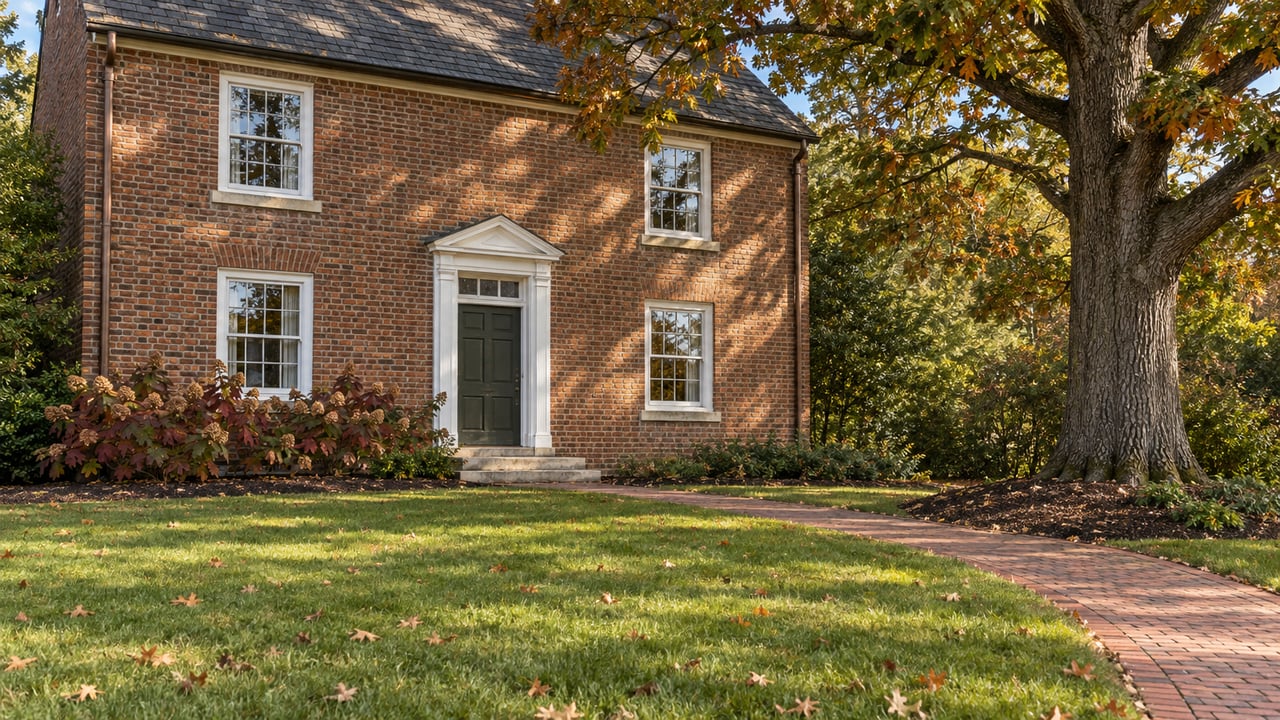
Colonial Revival homes bring a more formal and symmetrical look. Common features include brick or clapboard exteriors, dormers, and entry details like sidelights, transoms, columns, and pediments.
These homes often appeal to buyers who want traditional proportions and a classic front facade. In Sequoyah Hills, they contribute to the neighborhood’s polished, established feel.
Dutch Colonial Revival Homes
Dutch Colonial Revival is also part of the local mix. You will often notice gambrel roofs, symmetrical fronts, simple porticos, and multi-paned windows.
This style gives you a historic feel that is distinct from both Tudor and standard Colonial Revival. It is one more reason the neighborhood rewards buyers who pay attention to architectural detail.
Craftsman and Bungalow Homes
Craftsman and bungalow homes add another layer to the area’s character. Knoxville’s style guide describes them as one- to one-and-a-half-story homes with horizontal proportions, wide porches, exposed rafters, and wood detailing.
These homes can be especially appealing if you want historic charm in a somewhat more modest scale. They also tend to highlight porch living and visible craftsmanship.
Spanish Revival, Ranch, and More
You may also see Spanish Revival homes with stucco or brick walls, round-arched openings, terra-cotta details, and clay tile roofs. Postwar ranch homes and small cottages add a simpler architectural layer that contrasts with the more ornate early homes.
The neighborhood association also notes the presence of eclectic Victorian houses and formal period homes. In practical terms, that means Sequoyah Hills offers variety, not repetition.
Why the Setting Matters as Much as the House
In Sequoyah Hills, the lot is not just the place where the house sits. Site placement, setbacks, views, and landscaping all shape how a property feels and how it may be valued.
The Scenic Drive design guidelines show just how dramatic that can be. On some south-side lots, setbacks range from 30 to 60 feet, while on the north side they range from 50 feet to more than 400 feet.
That kind of spacing creates an estate-like setting in parts of the neighborhood. It also helps preserve ridge-top siting and gives the streetscape a sense of openness that is hard to replicate in newer development.
This is why two homes with similar square footage may not carry the same appeal. In Sequoyah Hills, position on the lot, relationship to the street, tree cover, and how the home fits the surrounding streetscape can matter just as much as interior updates.
What the Market Says About Sequoyah Hills Homes
Architecture and setting are a big part of the value story here, but it helps to put numbers behind that. In April 2026, Redfin reported a median sale price of $882,172 in Sequoyah Hills, up 12.4% year over year, with homes selling in a median 38 days.
For context, Redfin reported Knoxville’s citywide median sale price at $320,485 for the same month. By that measure, Sequoyah Hills was about 2.75 times higher than the broader city market.
That does not mean every home commands the same premium. It does mean buyers should expect this neighborhood to price differently from much of Knoxville because of its architectural depth, mature setting, and limited supply of comparable homes.
Realtor.com’s March 2026 snapshot adds another useful data point. Homes sold for an average of 1.51% below asking, with a sale-to-list ratio of 98%, which suggests a premium market without automatic runaway overbidding on every listing.
What Buyers Should Watch for in Older Homes
If you are buying in Sequoyah Hills, it helps to look past the charm and evaluate the maintenance story clearly. Older homes can be incredibly rewarding, but they usually ask more of an owner.
For many properties here, recurring attention may be needed for roofs, windows, porches, masonry, stucco, drainage, and mature trees. That is especially true for older Tudor, Colonial Revival, and Craftsman homes, where original materials and detailing are a big part of the appeal.
This does not mean you should avoid these homes. It means you should go in with realistic expectations, a careful inspection mindset, and a clear sense of which features are cosmetic upgrades versus long-term preservation items.
Preservation Rules You Should Understand
Some Sequoyah Hills properties fall within historic overlays or neighborhood conservation areas, and that can affect what changes are allowed. Knoxville and Knox County’s Historic Zoning Commission reviews applications to alter, demolish, move, or build in those designated areas.
The review process relies on designation reports and adopted guidelines to judge whether proposed changes are appropriate. Properties within a historic district are classified as contributing or noncontributing, and noncontributing properties are generally reviewed with more flexibility.
For a buyer, this is important because renovation freedom may not be the same from one property to the next. Before you assume you can change windows, add square footage, alter exterior materials, or reshape the facade, it is smart to understand the applicable guidelines.
Scenic Drive Guidelines in Plain English
The Scenic Drive NC-1 guidelines give a good picture of how preservation works in practice. They call for repair over replacement when possible and emphasize compatibility with the home’s existing massing, scale, and materials.
They also discourage modern wall cladding like vinyl or aluminum siding on primary buildings. Additions should generally go to the rear or side, rather than covering up the front facade that defines the home’s architectural character.
For buyers who appreciate design history, those rules can be a benefit rather than a burden. They help protect the visual consistency that makes the neighborhood special in the first place.
How to Read a Sequoyah Hills Home Like an Architecture Lover
If you want to buy here thoughtfully, try looking at each home in context instead of in isolation. The house matters, but so do the trees, setbacks, streetscape, materials, rooflines, and how the structure sits on the land.
A smart way to evaluate a property is to ask a few simple questions:
- What architectural style is this home expressing most clearly?
- Are the exterior materials and details likely original, replaced, or mixed over time?
- Does the lot placement enhance privacy, views, or curb presence?
- Is the home’s scale compatible with nearby properties?
- If updates are needed, will they likely involve preservation guidelines?
That kind of framework can keep you from focusing only on finishes and square footage. It also helps you see why one house may feel more compelling, and potentially more valuable, than another.
Sequoyah Hills Rewards Patient Buyers
This is not usually a neighborhood where the best decision comes from rushing. Because the homes vary so much by era, condition, lot setting, and architectural integrity, you need a steady read on tradeoffs.
One property may offer a stronger lot and streetscape presence but need more upkeep. Another may have more recent updates but less architectural distinction. The right choice depends on what you value most and how comfortable you are with preservation-minded ownership.
If you are sorting through those decisions, it helps to work with someone who can look beyond the surface and help you weigh style, setting, condition, and resale potential together. If you want a calm, informed conversation about buying or selling in Sequoyah Hills, connect with Jim Klonaris.
FAQs
What architectural styles are common in Sequoyah Hills homes?
- Sequoyah Hills includes Tudor Revival, Colonial Revival, Dutch Colonial Revival, Craftsman and bungalow homes, Spanish Revival homes, ranch homes, postwar cottages, and other formal period or eclectic historic houses.
What makes Sequoyah Hills different from other Knoxville neighborhoods?
- Sequoyah Hills stands out for its 1925 planning origins, curving streets, underground utilities, preserved trees, mature canopy, and a large share of homes built before 1950.
What should buyers know about preserving a historic home in Sequoyah Hills?
- Some properties may be subject to historic overlay or neighborhood conservation review, which can affect exterior changes, additions, materials, demolition, or new construction.
What do Sequoyah Hills home prices look like?
- In April 2026, the reported median sale price was $882,172, with homes selling in a median 38 days, placing the neighborhood well above Knoxville’s citywide median by that measure.
What maintenance issues are common in older Sequoyah Hills homes?
- Buyers should pay close attention to roofs, windows, porches, masonry, stucco, drainage, and mature trees, especially on older homes with original architectural details.
Why do lot size and setbacks matter in Sequoyah Hills?
- In parts of the neighborhood, especially along Scenic Drive, large setbacks and ridge-top siting help create an estate-like setting, which can influence privacy, curb appeal, and overall value.